

Public Spending Priorities: Where Government Money Goes
Understanding how Malaysia allocates billions in public funds across education, healthcare, infrastructure, defense, and social programs
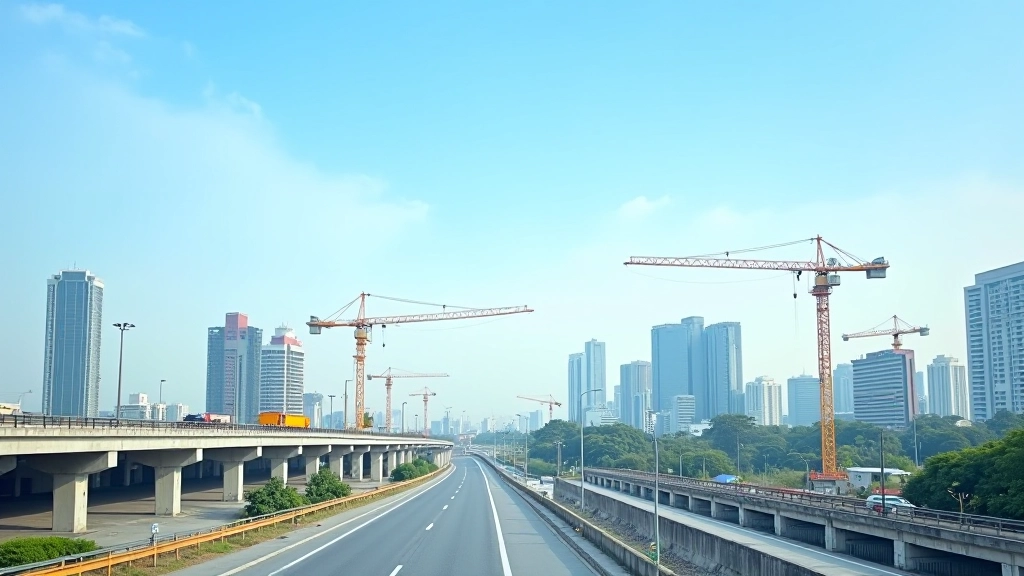
Why Government Budget Allocation Matters
Every year, Malaysia’s government makes critical decisions about where billions of ringgit go. These aren’t abstract numbers—they directly affect schools, hospitals, roads, and the safety of communities. Understanding these spending priorities gives you insight into the country’s long-term strategy and values.
The budget process isn’t mysterious. It’s a deliberate system where policymakers evaluate needs, set priorities, and allocate resources based on strategic goals. We’re going to walk you through the major categories where money flows and why each one matters.

Education: Building Future Talent
Education typically claims one of the largest slices of Malaysia’s budget. It’s not hard to see why—you’re investing in the next generation of engineers, doctors, teachers, and leaders. The government funds primary and secondary schools, universities, technical colleges, and vocational training programs nationwide.
Within education spending, you’ll find money going to teacher salaries, school infrastructure, curriculum development, and student aid programs. Rural areas receive targeted funding to ensure quality education reaches beyond major cities. There’s also substantial investment in technical and vocational education to address workforce skill gaps.
Key fact: Education spending represents roughly 15-20% of annual federal spending, affecting millions of students across the country.


Healthcare: Ensuring Access and Quality
Healthcare spending keeps the nation healthy—literally. Malaysia invests heavily in public hospitals, clinics, preventive care programs, and medical research. This includes funding for operating costs, medical staff salaries, equipment, medicines, and emergency services.
The government maintains a network of hospitals and health clinics across urban and rural areas. Public healthcare subsidies make treatment affordable for most Malaysians. You’ll also find spending dedicated to disease prevention campaigns, immunization programs, and managing chronic conditions like diabetes and hypertension.
Key fact: Healthcare spending accounts for approximately 8-10% of the budget, supporting universal healthcare access across the nation.
Infrastructure: Building and Maintaining the Nation
Infrastructure spending is how governments build the physical foundation of economic growth. Roads, highways, airports, ports, railways, and public transit systems all require significant investment. These projects aren’t one-time expenses—they need ongoing maintenance and upgrades to remain functional.
You’ll find infrastructure spending divided between new construction and maintenance. Major projects like expressway expansions, port improvements, and mass transit systems get attention, but don’t underestimate the cost of keeping existing roads safe and bridges structurally sound. Energy infrastructure—power plants, transmission lines, and renewable energy projects—also falls under this category.
Typical allocation includes:
- Road and highway maintenance and expansion
- Public transportation systems and rail networks
- Port and airport development
- Water and sewage systems
- Energy infrastructure and utilities
- Telecommunications and digital infrastructure

Understanding Budget Priorities
Malaysia’s spending priorities reflect the nation’s strategic vision. Education and healthcare investments signal commitment to human development. Infrastructure spending drives economic growth. Defense and social programs ensure security and social cohesion. It’s not about picking one favorite area—it’s about balance.
When you look at these allocations, you’re seeing government priorities made concrete. Budget debates aren’t just academic—they shape whether schools get funding, whether hospitals have modern equipment, whether roads get maintained. Understanding where money goes helps you understand government strategy and what matters most to policymakers.
“Public spending reflects societal values. Every ringgit allocated tells a story about what a nation prioritizes for its people.”
— Understanding Fiscal Policy
Important Disclaimer
This article provides educational information about Malaysia’s government spending structure and budget allocation processes. Budget figures and percentages are approximate based on recent fiscal years and vary year to year. Government spending priorities evolve based on economic conditions, policy changes, and national priorities.
For detailed, current budget information, consult official sources like the Ministry of Finance Malaysia website or the latest annual Budget Speech. This content is for informational purposes and shouldn’t be used as the sole basis for financial or policy decisions. If you need specific budget data for research or professional purposes, refer to official government publications.
Related Articles

Malaysia’s Tax Structure Explained: Income, GST, and Corporate Taxes
Read Article